
NGOC LINH — 02: DETAILED CURRICULUM
Once the students began to speak, I faced a different question: would I simply fit their voices into the curriculum I had already designed—or allow those voices to change the curriculum itself?
THE CURRICULUM HAD TO MOVE
The more students showed me how they communicated, noticed problems, and made choices, the less sense it made to ask them simply to follow my plan.

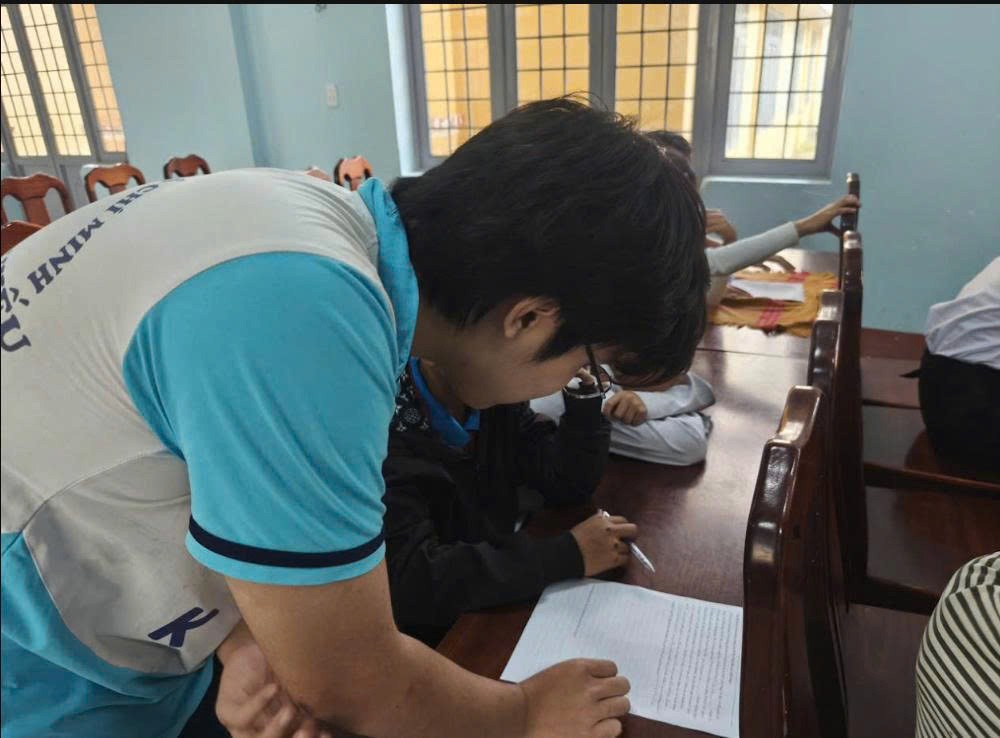


FROM FEELING TO VOICE

Who could it help?


PLANNED FIELD ACTIVITIES

Why would they ‘fail’ if during the process they have been able to demonstrate their curiosity, grit, and talent to their best?
Students are invited to suggest several ways forward before choosing one. The discussion asks what is useful, what is possible with the resources available, and what other members of the group think.
FROM VOICE TO CHOICE
Once students had something to say, the next step was not to give them my answer.
We brainstormed many possibilities, worked with familiar objects and local problems, and asked which ideas were realistic, useful, and worth trying. Students compared, voted, and named the projects themselves.
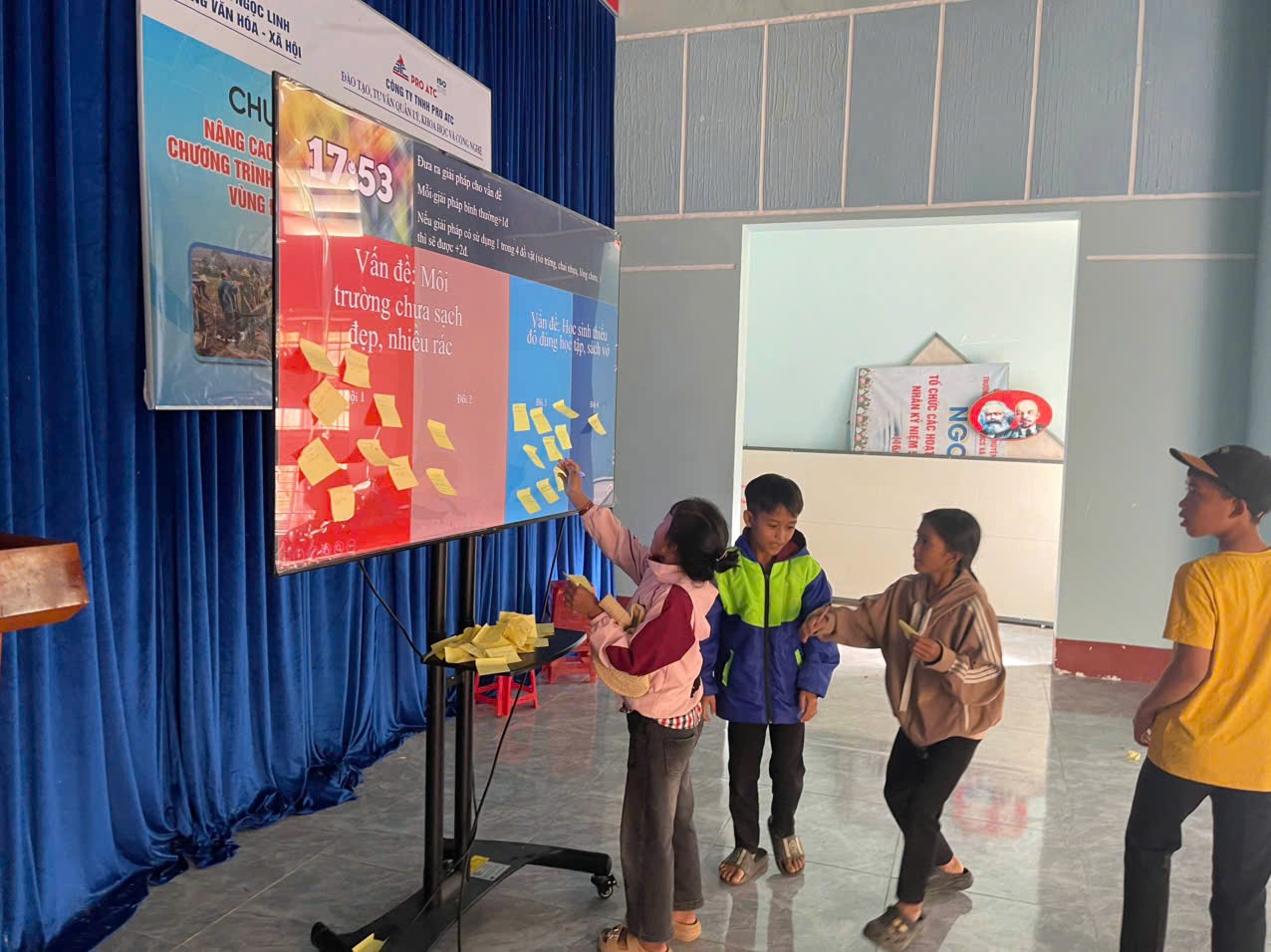


Technology mattered only when it gave students another way to find, test, or communicate an idea.
The goal was not to make them dependent on another instructor. It was to leave them better able to search, ask, collaborate, and continue learning without me.
How can we redesign the curriculum to foster a student’s holistic growth?
← Back to NGOC LINH FIELD PROJECT
NEXT: OVERALL CONCLUSION AND RESULTS →